What to know about garden waste rules in Greenwich council
If you have ever stood in the garden with a wheelbarrow full of hedge cuttings, wet leaves, and a few awkward branches, you will know the feeling: what exactly is allowed, what needs separating, and what is the safest way to get rid of it without causing a nuisance or a fine? That is where understanding What to know about garden waste rules in Greenwich council becomes genuinely useful, not just a box-ticking exercise.
In Greenwich, as in most London boroughs, garden waste is usually treated differently from general household rubbish. That means the way you bag it, store it, present it for collection, or arrange clearance can matter more than people expect. In this guide, we will break down the practical side of it in plain English, so you can manage garden debris sensibly, avoid common mistakes, and keep your outdoor space tidy without the usual faff.
Table of Contents
- Why garden waste rules in Greenwich matter
- How the system works in practice
- Key benefits and practical advantages
- Who this is for and when it makes sense
- Step-by-step guidance
- Expert tips for better results
- Common mistakes to avoid
- Tools, resources and recommendations
- Law, compliance, standards and best practice
- Options, methods, and comparison table
- Case study or real-world example
- Practical checklist
- Conclusion
- Frequently asked questions
Why garden waste rules in Greenwich matter
Garden waste looks harmless enough. A few clippings, a pile of leaves, a broken shrub. But if it is handled badly, it can quickly turn into a storage issue, an odour problem, or a collection headache. In a built-up area like Greenwich, where back gardens, shared access paths, and tight front drives are common, the rules matter because space is limited and one person's neat heap can become another person's obstruction.
There is also a wider reason. Garden waste is one of those material streams that can usually be recycled or composted when it is separated correctly. Put bluntly, mixing it with the wrong items creates extra work for the council or a private contractor and can lead to your waste being refused. Not ideal when you just want the job done before the rain starts coming in sideways.
Another point people miss: some garden materials are not treated equally. Grass cuttings, hedge trimmings, soil, turf, branches, and invasive plants may all need different handling. A council collection may accept certain green waste in one way, while a clearance service may need it separated for safe transport and disposal. If you are planning seasonal work, or a bigger job like a full tidy-up, it pays to understand the basics before you begin.
If your project is part of a larger outdoor refresh, it may also help to look at garden maintenance support or broader service options so the waste plan matches the work itself.
How garden waste rules in Greenwich work in practice
The practical side usually starts with one question: what kind of garden waste are you dealing with? That determines how it should be presented, whether it can go into a council collection, and whether a separate clearance is more sensible.
In general, garden waste includes things like:
- grass cuttings
- hedge trimmings
- leaves and small twigs
- flowers, plants, and weeds
- small branches and pruning waste
But there are important exceptions. Soil, rubble, hardcore, large tree stumps, treated timber, plant pots, plastic ties, and general household rubbish should not be mixed in unless the collection method specifically allows it. This is where people often get caught out. A bag that looks like "just garden stuff" can contain a surprising amount of non-organic clutter once you start looking closely.
Most councils expect garden waste to be presented cleanly and sensibly, with contamination kept to a minimum. That normally means no food waste, no nappies, no broken ceramics, and no random bits from the shed that happened to get swept up with the leaves. If you are using a private service, the same principle applies: the cleaner the waste stream, the easier and more reliable the disposal.
For larger clearances, especially after storms or pruning work, a dedicated garden clearance service can save time because it handles bulkier material and mixed garden debris more efficiently than a standard bin-style approach.
Key benefits and practical advantages
Getting garden waste right is not only about avoiding problems. There are real practical advantages too.
- Cleaner kerb appeal: tidy waste handling keeps the garden and frontage looking orderly while work is underway.
- Less smell and mess: damp cuttings and rotting leaves can become unpleasant fast, especially in warm weather.
- Better recycling outcomes: separated green waste is more likely to be processed properly.
- Reduced collection risk: if waste is sorted correctly, it is less likely to be left behind.
- Safer working conditions: fewer hidden objects in the pile means fewer cuts, strains, or awkward lifts.
There is also the simple relief of getting the job finished cleanly. Anyone who has cleared a garden at 6pm with the smell of cut grass in the air knows the difference between a half-done pile and a properly managed load. One feels like progress. The other feels like a second job.
For many households, the best result comes from combining regular upkeep such as lawn mowing and hedge trimming with planned waste removal, rather than waiting until everything has become a mountain of green bits.
Who this is for and when it makes sense
Garden waste rules are relevant to a lot more people than you might think. It is not just for big properties or keen gardeners with immaculate borders.
This guide is especially useful if you are:
- a homeowner doing routine garden upkeep
- a tenant trying to leave a rented property tidy
- a landlord preparing a garden between lets
- someone overseeing a spring or autumn clear-out
- a property manager dealing with shared outdoor space
- a gardener or contractor planning a day's work in Greenwich
It also makes sense when you are dealing with one-off jobs. Maybe a tree has dropped branches after a windy night. Maybe the hedge has gone wild after a few busy months. Maybe the garden has simply got out of hand. Truth be told, that happens. Gardens do not keep themselves in shape, no matter how optimistic we are in March.
If the work involves heavier pruning or woody material, you may also need to think about tree lopping and removal rather than treating everything as standard green waste. That distinction matters for both safety and disposal.
Step-by-step guidance
If you want a sensible way to stay on top of garden waste rules in Greenwich, follow this process.
- Identify the waste type. Separate soft green waste, woody cuttings, soil, and general rubbish before you start bagging.
- Remove contamination. Pull out plastics, ties, broken pots, stones, and anything that does not belong.
- Keep waste manageable. Cut long stems or branches down where practical so bundles are easier to move.
- Choose the right disposal route. Use the council collection route where suitable, or arrange private clearance for bulky or mixed loads.
- Store waste safely. Keep bags or piles in a dry, accessible place so they do not become slippery or obstructive.
- Check timing. If you are putting waste out for collection, make sure it is presented according to the local collection day and accepted format.
- Book extra help if needed. If the pile is larger than expected, get support rather than overfilling bags or dumping excess in the wrong place.
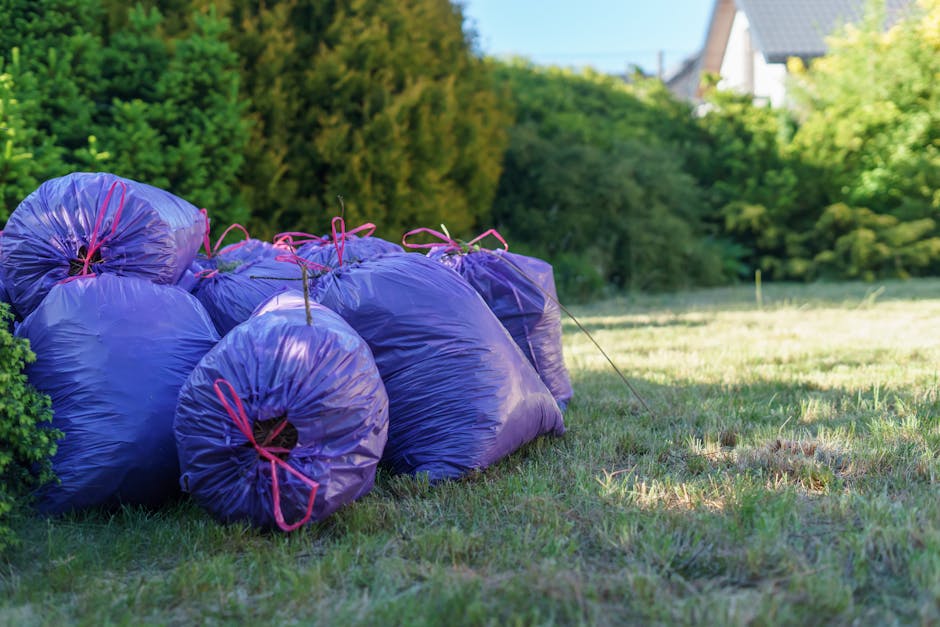
A practical example: after a weekend hedge cut, you might have a mix of fresh clippings, thicker stems, and a bag of leaves. Rather than putting everything into one oversized sack, split the material into smaller, safer loads. You will find it easier to move, and it is less likely to cause a mess in the street.
That little bit of organisation saves so much trouble later. Honestly, it is one of those jobs that rewards five minutes of planning more than an hour of backtracking.
Expert tips for better results
Here are some field-tested habits that make garden waste handling smoother.
- Work from the top down. Trim, rake, then bag. It keeps the area clearer as you go.
- Use breathable sacks where appropriate. Wet green waste can sweat in sealed bags and become heavier than you expect.
- Keep branches aligned. Bundled woody material is easier to lift and stack than loose sticks everywhere.
- Separate soil from green waste. Even a little soil can change how a load is handled.
- Do not leave waste sitting too long. Leaf piles and damp clippings can start to smell, especially in mild weather.
- Plan around weather. A dry morning is better than a soggy afternoon if you want clean, efficient clearance.
One useful bit of common sense: if a pile looks awkward to lift, it probably is. Split it. Your back will thank you later, and so will anyone helping you move it.
If your garden work is part of a larger redesign, the waste plan should match the project. For example, landscape gardening jobs often produce mixed organic waste and packaging, while landscaping work can create heavier spoil and more complex disposal needs.
Common mistakes to avoid
Most problems come from a few predictable errors. Luckily, they are easy to avoid once you know them.
- Mixing garden waste with general rubbish. This is probably the most common mistake, and one of the easiest to stop.
- Overfilling bags. Heavy sacks split, drag, and become a nuisance very quickly.
- Including soil or rubble without checking. These materials often need separate handling.
- Leaving waste in a way that blocks access. A tidy pile on a driveway is one thing; a blocked path is another.
- Assuming all green waste is accepted the same way. Councils and clearance services can differ in what they will take.
- Putting out uncontained loose material. Wind and rain can spread it everywhere. It looks messy and, yes, it becomes your problem again.
Another small but important mistake is forgetting about recycling habits elsewhere in the garden job. If the work also produces timber, fixings, or old outdoor features, you may need to look at how materials are separated. For example, a project involving decking services can create a very different waste stream from simple pruning.
Tools, resources and recommendations
You do not need a mountain of specialist equipment, but a few basics make everything calmer and safer.
- Rakes and leaf grabbers: useful for gathering loose waste without bending constantly.
- Strong garden sacks: choose bags that can handle damp cuttings without tearing.
- Secateurs and loppers: helpful for reducing oversized stems before disposal.
- Wheelbarrow or garden trolley: a real back-saver when moving multiple loads.
- Tarpaulin: handy for dragging waste to a collection point and keeping it contained.
- Gloves and sturdy footwear: basic, but worth it. Thorny cuttings are not forgiving.
In terms of services, some people only need routine support, while others benefit from a more complete tidy-up. A regularly scheduled garden maintenance visit can reduce the volume of waste in the first place, which is often the easiest route. Less buildup means less panic when the bins are full and the hedges have gone a bit feral.
For homeowners who want a simple starting point, the most useful recommendation is to plan waste handling at the same time as the work itself. Do not leave it as an afterthought. That is where jobs get messy, literally.
Law, compliance, standards and best practice
This is the part many people skim, but it matters. Garden waste handling sits at the intersection of local collection rules, waste duty of care, and sensible environmental practice. The exact collection arrangements in Greenwich can change over time, so the safest approach is to check the current local requirements before you put anything out.
From a general UK best-practice point of view, the key principles are straightforward:
- separate waste streams where possible
- avoid contamination
- use licensed or legitimate disposal routes
- do not leave waste where it becomes a hazard or obstruction
- take extra care with sharp, heavy, or bulky material
If you hire a contractor, they should be clear about how the waste is collected, transported, and handled. That is not over-the-top caution; it is just sensible due diligence. You want to know the waste will be dealt with properly, not dumped somewhere it should not be. Simple as that.
For extra reassurance around service standards, it helps to review a provider's health and safety approach, as well as their insurance and safety information. Those pages are useful because they tell you how a company thinks about risk, not just the shiny end result.
Options, methods, and comparison table
There is no single "best" way to deal with garden waste. The right option depends on the size of the job, the type of waste, and how quickly you want it gone.
| Method | Best for | Pros | Watch out for |
|---|---|---|---|
| Council collection route | Routine, smaller garden waste | Convenient for regular household garden upkeep | May have format, timing, or contamination rules |
| Home composting | Leaves, grass clippings, soft plant material | Low waste, environmentally friendly, useful for borders | Needs space, patience, and the right balance of materials |
| Private clearance | Bulky, mixed, or urgent clear-outs | Fast, flexible, and suited to larger jobs | Costs vary and waste must still be sorted sensibly |
| Routine maintenance visits | Ongoing gardens with regular trimming | Prevents build-up and keeps waste under control | Best when booked consistently, not just once in a blue moon |
For many households, the sweet spot is a mix of methods. A little composting, regular maintenance, and occasional clearance where needed. That combination keeps things manageable without turning your shed into a recycling depot.
Case study or real-world example
Here is a realistic example from the kind of job many Greenwich households face in late spring. A small rear garden had become cluttered after several weeks of growth: grass had thickened, the hedge had pushed out long shoots, and the borders were full of damp leaves from earlier pruning. Nothing dramatic. Just enough to feel overwhelming when you first step outside with a cup of tea and a sigh.
The fix was straightforward. The softer cuttings were gathered first, the hedge waste was bundled separately, and the small woody branches were split into manageable sections rather than shoved into one oversized bag. A quick tidy of the paving removed the slippery bits, and the remaining waste was placed for collection in a way that would not block the shared path.
The important lesson? Sorting the waste before it becomes one big pile makes the whole job easier. It also makes it much clearer whether you need a standard collection or a more comprehensive clearance service. In this case, the homeowners also booked lawn mowing and a follow-up hedge trimming visit so the garden would stay under control, not just look good for one afternoon.
Practical checklist
Use this quick checklist before you put garden waste out or arrange removal:
- Have I separated green waste from general rubbish?
- Have I removed plastic, pots, wire, and other contamination?
- Are soil, turf, or rubble being handled separately if needed?
- Are bags or bundles secure, liftable, and not overfilled?
- Is the waste stored so it will not block access or blow around?
- Do I know whether this job needs council collection or private clearance?
- Have I checked if any larger branches need specialist handling?
- Have I planned for wet weather, smell, or weight increase?
- Is the waste route compliant with local expectations?
- Do I have support lined up if the task turns out bigger than expected?
This kind of checklist sounds simple, but it stops most of the common headaches before they start. And that is usually the point.
Conclusion
Knowing What to know about garden waste rules in Greenwich council is really about making garden work easier, tidier, and less stressful. If you sort waste properly, choose the right disposal route, and avoid contamination, you will save yourself time and a fair bit of frustration. You will also make life easier for the people handling the waste after you. That counts.
For everyday gardening, the best approach is usually to stay consistent: trim regularly, separate waste as you go, and avoid letting small jobs turn into one giant weekend overhaul. For larger clear-outs or more awkward material, a professional service can be the practical answer, especially if you want everything dealt with safely and in one go.
Get a free quote today and see how much you can save.
If you are planning a tidy-up soon, it may be worth exploring garden clearance alongside pricing and quotes so you can match the service to the size of the job. A garden never really stays finished, does it? But with the right waste plan, it can stay calm, clean, and very much under control.
Frequently Asked Questions
What counts as garden waste in Greenwich?
Garden waste usually includes grass cuttings, hedge trimmings, leaves, weeds, small branches, and other plant material. Soil, rubble, plastics, and general household rubbish are normally treated separately.
Can I put garden waste in ordinary rubbish bins?
Usually, no. Garden waste is often handled differently from general waste, and mixing the two can lead to collection issues. It is better to separate it properly from the start.
What happens if my garden waste is contaminated?
If green waste is mixed with rubbish, soil, or other unwanted material, it may be refused or need re-sorting. That can mean delays and extra cost, depending on the disposal method.
Do I need a private service for all garden waste?
Not necessarily. Smaller routine jobs may fit the normal council route, but larger, heavier, or mixed clear-outs are often easier with a dedicated garden clearance service.
Can tree branches be treated as normal green waste?
Small prunings often can, but larger branches or tree waste may need different handling. If the material is bulky, awkward, or safety-sensitive, specialist removal may be the better option.
Is composting a good idea for garden waste?
Yes, if you have the space and the right materials. Soft green waste like leaves and grass clippings can be suitable for composting, but woody material and soil are less straightforward.
What is the most common mistake people make?
The biggest mistake is mixing too many different materials together. Once garden waste contains plastics, rubble, or household rubbish, it becomes harder to dispose of properly.
How often should I deal with garden waste?
That depends on the size of your garden and how quickly things grow, but regular small clear-ups are much easier than waiting for a major build-up. A little and often works best for most homes.
What should I do after hedge trimming or lawn mowing?
Collect clippings promptly, separate them from other debris, and avoid leaving them damp and piled up for too long. Routine jobs are easier to manage when you clear waste the same day.
How do I know if I need professional help?
If the waste is too bulky, too heavy, or too mixed for easy handling, professional help usually makes sense. It is also sensible if you want the job completed quickly and safely.
Are there safety issues with garden waste?
Yes. Branches can be sharp, wet grass can be slippery, and heavy sacks can strain your back. Gloves, sturdy footwear, and sensible lifting habits are worth it every time.
Where can I learn more about services that support waste removal?
You can look at the broader services overview and related pages such as garden maintenance and recycling and sustainability to see how ongoing care and waste handling can work together.