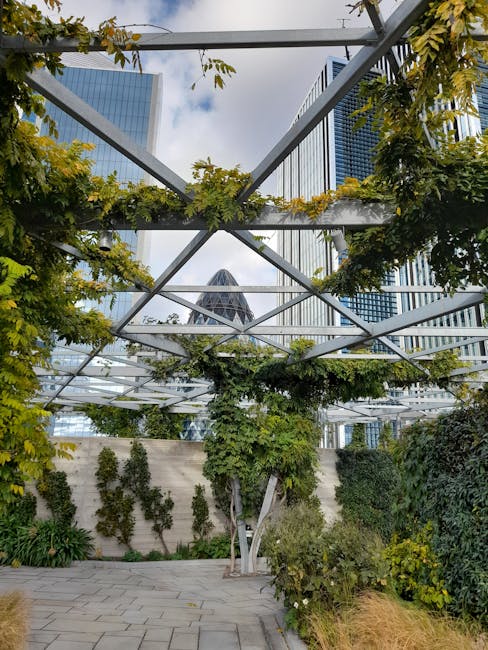
Cutty Sark garden makeover case study by Greenwich gardeners
There's something quietly satisfying about taking a tired outdoor space and making it feel useful again. Not flashy. Just calmer, tidier, easier to live with. That is the heart of this Cutty Sark garden makeover case study by Greenwich gardeners: a practical look at how a garden near one of Greenwich's best-known landmarks can be transformed into a space that works day to day, not just on a sunny weekend.
If you're trying to understand what a professional garden makeover involves, how to plan one properly, or whether your own garden is ready for a refresh, this guide walks you through the process in plain English. We'll cover the thinking behind the work, the typical stages involved, what makes a makeover worthwhile, and the common pitfalls that can turn a promising project into a bit of a muddle. Truth be told, that happens more often than people expect.
For readers looking for a broader overview of available services, it can also help to start with the services overview, then come back here with a clearer picture of what kind of work you actually need.
Key takeaway: A good garden makeover is not just about "making it look nicer". It's about improving layout, access, maintenance, planting structure, and long-term practicality so the garden stays usable after the work is finished.
Contents
- Why Cutty Sark garden makeover case study by Greenwich gardeners matters
- How Cutty Sark garden makeover case study by Greenwich gardeners works
- Key benefits and practical advantages
- Who this is for and when it makes sense
- Step-by-step guidance
- Expert tips for better results
- Common mistakes to avoid
- Tools, resources and recommendations
- Law, compliance, standards, or best practice
- Options, methods, or comparison table
- Case study or real-world example
- Practical checklist
- Conclusion
- Frequently asked questions
Why Cutty Sark garden makeover case study by Greenwich gardeners Matters
The Cutty Sark area has a very particular feel. It's historic, busy, full of movement, and often shaped by older housing stock, compact plots, shared boundaries, and awkward access. That matters because garden design in a place like Greenwich has to be more than decorative. It has to suit the reality of the space.
In smaller London gardens, a makeover often succeeds or fails on the details: how you move through the space, where the eye lands first, whether there's somewhere to sit without feeling cramped, and how much upkeep the planting will need over time. A garden can look lovely for a week and then become a chore. Nobody wants that. Not really.
This is why a proper makeover case study is useful. It shows the logic behind the changes, not just the end result. When you can see why a team chose to clear an area, reshape a border, improve structure, or introduce a low-maintenance planting scheme, the whole process becomes much easier to trust.
It also helps homeowners understand the difference between quick cosmetic tidying and genuine landscape improvement. A tidy garden is nice. A well-planned garden is better. It usually feels better too. Less cluttered, less fussy, more like somewhere you can actually breathe.
If the space has become overgrown, you may need a reset before any makeover can begin. In those situations, a focused garden clearance can be the first sensible step, followed by more detailed improvement work.
How Cutty Sark garden makeover case study by Greenwich gardeners Works
A garden makeover is usually built in layers. First comes assessment. Then clearance or preparation. After that, the layout is refined, the hard landscaping is installed or updated, and the soft landscaping - planting, turf, edging, and finishing details - brings the whole thing together.
In practical terms, that means a team looks at the garden as a whole system. Where does water run after rain? Which areas get the most light? Which parts feel wasted? Is there a path that blocks the best light? Are shrubs too dense for the available space? Those questions shape the work more than any trend does.
For many Greenwich gardens, the process often includes:
- clearing dead growth, debris, and old materials
- reducing or reshaping tired planting
- adjusting boundaries and edges for a cleaner layout
- refreshing lawns or replacing difficult turf areas
- adding definition through planting structure or hard surfaces
- improving access, drainage awareness, and day-to-day maintenance
That may sound straightforward, but the order matters. If you install decorative elements before dealing with drainage or access, you can end up paying twice. A bit annoying, frankly.
For some gardens, the finishing touches include seating zones or timber features. If that's part of the plan, it is worth looking at decking services alongside planting and layout decisions so the hard and soft elements work together rather than competing.
Key Benefits and Practical Advantages
The biggest benefit of a garden makeover is simple: the garden starts working again. But there are several smaller gains that matter just as much, especially in a compact urban setting.
- Better use of space: wasted corners become useful seating, planting, or storage zones.
- Lower maintenance pressure: clear structure and sensible planting reduce weekly effort.
- Stronger visual flow: a garden feels intentional rather than pieced together.
- Improved seasonal interest: planting can be chosen so the garden still has life beyond summer.
- Safer movement: paths, edges, and level changes become easier to navigate.
- More value from existing features: sometimes a fence, tree, or border just needs to be handled properly.
There's also a confidence benefit that people don't always mention. Once one area is sorted, the rest of the garden stops feeling like a problem hanging over you. You open the back door and think, "yes, that's better." Simple as that.
A structured approach also makes long-term care easier. If you want the garden to stay in good shape, you can maintain it through a regular garden maintenance plan rather than repeatedly starting from scratch each spring.
| Approach | Best for | Typical outcome | Watch out for |
|---|---|---|---|
| Cosmetic tidy-up | Gardens that are mostly healthy but untidy | Quick improvement in appearance | Problems below the surface may remain |
| Partial makeover | Spaces with one or two clear pain points | Better layout and easier upkeep | Can look unbalanced if the rest of the garden is ignored |
| Full makeover | Overgrown, awkward, or outdated gardens | Major improvement in usability and style | Needs more planning and a realistic budget |
Who This Is For and When It Makes Sense
This kind of project is a good fit if your garden feels stuck between "almost there" and "where do we even start?". That's a very common situation. Maybe the lawn has become patchy. Maybe shrubs have grown into each other. Maybe a patio exists, but it's surrounded by a messy perimeter so the whole thing feels unfinished.
It also makes sense if you've just moved into a property near Cutty Sark and the garden is not quite your style. Many buyers inherit a space that was designed for someone else's habits. Nothing wrong with that. But if you want the garden to suit your own routines, a makeover can make a big difference.
These projects are particularly useful for:
- busy homeowners who want a more manageable outdoor space
- landlords preparing a property for the market
- families who need clearer circulation and safer play space
- people with older gardens that no longer reflect how they live
- homeowners planning to stay put and invest in long-term comfort
If the issue is more about overgrowth than design, hedge lines, boundary control, and tree safety may need attention first. In that case, hedge trimming and, where appropriate, tree lopping and removal can help restore light and shape before the makeover proper begins.
To be fair, not every garden needs a dramatic transformation. Sometimes you only need three well-judged changes. The right ones, though, and suddenly the place feels twice the size.
Step-by-Step Guidance
Here's the practical sequence we'd normally expect from a well-run makeover project. The exact order can vary, but skipping stages is rarely a good idea.
- Initial walk-through and briefing
Start with what you want the garden to do. Sit in it? Grow herbs? Host friends? Keep maintenance low? These answers shape everything else.
- Site assessment
Look at light, shade, drainage, access, boundary condition, existing planting, and any awkward areas. This is where the real issues show up.
- Clear and prepare
Remove waste, broken materials, dead plants, and anything no longer serving the space. A good preparation stage creates the headroom needed for real improvement.
- Agree the layout
Decide where circulation paths, planting zones, seating, or lawn areas should sit. You want the layout to feel natural, not forced.
- Carry out landscaping or structural work
This may include edging, reshaping beds, installing hard features, or reworking levels. If you are changing the bones of the garden, this is the stage that matters most.
- Refresh soft landscaping
Planting, turf, mulch, and finishes bring softness back into the scheme. This is often where the visual transformation becomes obvious.
- Final detailing and aftercare plan
The last 10% can make the biggest difference: clean edges, consistent finishes, and clear guidance on what to do next.
In a lot of cases, the most useful changes happen when landscaping is paired with a lighter maintenance plan. If you want a more complete redesign, it's worth reviewing landscape gardening or broader landscaping options so you know where the project sits on the scale from tidy-up to full redesign.
Expert Tips for Better Results
After years of looking at awkward gardens, one thing becomes very clear: the best results are usually the ones that avoid overcomplication. A clever garden is not always a busy one.
- Protect the strongest feature. If the garden has a good tree, a nice wall, or a decent suntrap, build around it rather than hiding it.
- Think in layers. A garden often needs structure, planting rhythm, and maintenance planning - not just new plants.
- Choose plants for your routine, not your ideal self. If you hate pruning, don't choose a border that expects weekly fussing.
- Leave breathing room. Empty space is not wasted space. It gives the eye somewhere to rest.
- Plan for March, July, and November. A garden should work in dull weather too, not only when everything is in bloom.
A small but useful tip: look at the garden from inside the house first. Most people don't spend their whole day outside, after all. The view from the kitchen window matters more than many realise.
If you want the finished space to stay neat without constant attention, build in simple weekly tasks from the start. That is where regular lawn mowing can make a surprisingly big visual difference, especially in a small garden where the lawn is a central feature.
Common Mistakes to Avoid
Some mistakes are obvious. Others creep in quietly and only become visible after the work is done. A few of the most common ones are below.
- Starting with plants before structure. If the layout is wrong, the planting will never quite save it.
- Overcrowding the garden. Too many features make a small space feel even smaller.
- Ignoring access routes. Beautiful borders are no use if you can barely reach them.
- Choosing high-maintenance planting by accident. This one is sneaky. The plant list can look lovely and still become a headache.
- Forgetting future maintenance. If no one can realistically keep it tidy, the makeover will fade quickly.
- Leaving clearance too late. If a site is overgrown, trying to design around the mess first usually wastes time.
There's also a budgeting mistake that comes up a lot: assuming the cheapest option is the safest one. Sometimes a smaller, smarter scope is better than stretching for too much at once. A sensible project done well is worth more than a grand vision that remains half-finished. We've all seen those gardens. Bit sad, honestly.
Tools, Resources and Recommendations
The right tools depend on the scale of the project, but a professional team usually draws on a mixture of clearance, pruning, cutting, measuring, levelling, and finishing equipment. The important part is not the brand or the gadget. It's using the right tool for the job and not forcing a shortcut.
For homeowners planning a project, the most useful resources are practical rather than flashy:
- a rough sketch of the current garden layout
- photos taken at different times of day
- a list of the problems you want solved
- notes about shade, damp areas, and windy spots
- a realistic idea of what you can maintain each week
It also helps to think about disposal and sustainability from the start. If old materials, clippings, or waste need removing, ask how the team handles recycling and recovery. Responsible handling matters. You do not want a beautiful garden created at the expense of messy waste practice.
For that reason, it is sensible to look at a provider's recycling and sustainability approach as part of the project planning conversation, not as an afterthought.
Law, Compliance, Standards, or Best Practice
Garden makeover work is not usually heavy on red tape, but there are still important standards and duties to keep in mind. In the UK, good practice around waste handling, safe tool use, and property care matters every bit as much as design judgement.
For example, if tree work is involved, especially larger pruning or removal tasks, it should be approached carefully with an eye on safety, property boundaries, and the condition of the tree itself. You would normally expect sensible checks before cutting anything major. Likewise, any use of machinery or height-related work should be handled with proper risk awareness.
It is also wise to choose a contractor who can explain how they handle safety, public liability cover, and site protection in plain language. That sort of reassurance is not a luxury. It is basic professionalism. If a company makes that information easy to find, such as through its insurance and safety guidance and health and safety policy, that is usually a good sign.
For customers, the best practice is simple:
- be clear about access restrictions before work begins
- remove or identify fragile items near work zones
- check that waste disposal will be handled responsibly
- confirm what happens if unexpected issues are found on site
- get the scope in writing so everyone understands the plan
That last point matters more than people think. Garden projects often evolve once work begins, and a clear agreement saves a lot of back-and-forth later.
Options, Methods, or Comparison Table
There is no single "right" way to makeover a garden. The method should match the condition of the space, your budget, and the level of maintenance you are willing to live with.
| Method | Description | Strengths | Limitations |
|---|---|---|---|
| Clear and tidy | Remove clutter, cut back growth, restore shape | Fast, budget-friendly, practical | Does not solve deeper layout issues |
| Structural redesign | Rework paths, borders, levels, and key features | Big usability gain, long-term value | Needs more planning and budget |
| Plant-led refresh | Focus on planting, borders, and seasonal interest | Great visual impact, softer feel | Can still feel unfinished without structure |
| Mixed makeover | Combine clearance, landscaping, and planting | Balanced, often best all-round result | Requires coordination and clear priorities |
In many Greenwich gardens, a mixed approach works best. Older outdoor spaces often need a bit of everything: better bones, smarter planting, and a cleaner finish. Not excessive. Just enough to let the garden settle into itself.
Case Study or Real-World Example
Let's look at a realistic example based on the kind of work often carried out near Cutty Sark. The garden in question was compact, enclosed, and visually tired. Planting had become uneven, the lawn was patchy, and a few boundary shrubs had grown too dominant. From the house, the space felt darker than it needed to. Outside, it felt a little cramped. Not terrible, just not pleasant.
The first step was a careful clearance. Dead material and messy growth were removed, revealing the actual shape of the garden again. That alone made a noticeable difference. Once you could see the space properly, the decisions became easier.
Next, the borders were simplified and the structure improved so the eye moved naturally from the back door toward the furthest point of the garden. A clearer central route was established. The lawn area was refined, not oversized, because in a small garden a lawn should support the layout rather than dominate it.
Then came the planting refresh. Instead of filling every gap, the team used a more measured pattern: enough planting for colour, texture, and softness, but not so much that maintenance would become a burden. That balance is the trick, really.
Finally, the finish was cleaned up. Edges were tidied, access improved, and a simple care routine was planned so the garden would stay manageable. The result was not a showpiece in the grand sense. It was better than that. It became a garden the owners could actually use without first mentally preparing themselves for a battle with the weeds.
That kind of change is what makes a case study valuable. It shows that a good makeover is often about removing friction. Once the friction goes, the garden begins to feel like part of the home rather than a separate task list.
Practical Checklist
Use this checklist if you are planning a makeover of your own:
- Define the main purpose of the garden
- Walk the space at different times of day
- List the areas that feel awkward or unused
- Decide what must stay and what can go
- Check whether clearance is needed first
- Think about maintenance realistically
- Consider structure before planting
- Ask how waste and recycling will be handled
- Confirm safety, access, and site protection details
- Plan for aftercare, not just installation
If you want to keep the project moving smoothly, it can help to review the company's pricing and quotes approach before you commit. Clear expectations at the beginning save a lot of stress later.
Conclusion
A Cutty Sark garden makeover is rarely about one dramatic gesture. It is usually the sum of careful decisions: clearing what no longer helps, improving what already works, and shaping the space so it feels easier to live with. The best results tend to be calm, practical, and quietly attractive.
If your garden feels untidy, cramped, overgrown, or simply out of step with how you use your home now, a makeover can be a very sensible investment. Start with the layout. Be honest about maintenance. And keep the plan grounded in real use, not fantasy. That's where the value is.
And if you are still weighing up where to begin, have a look at the team's background on the about us page, then reach out when you are ready to talk through the space properly. A good garden project should feel reassuring from the first conversation, not stressful.
Get a free quote today and see how much you can save.
Sometimes the smallest practical change - a cleaner line, a better path, a little more light - is the thing that makes the garden feel like home again.
Frequently Asked Questions
What is a Cutty Sark garden makeover case study by Greenwich gardeners?
It is a practical example of how a garden near the Cutty Sark area can be cleared, reshaped, and improved for better use, appearance, and maintenance.
How long does a typical garden makeover take?
It depends on the size of the space and the scope of the work. A simple tidy-up can move quickly, while a fuller makeover with landscaping and planting takes longer.
Do I need garden clearance before a makeover?
Often, yes. If the space is cluttered or heavily overgrown, clearance helps reveal the layout and makes design decisions much easier.
Is a garden makeover worth it for a small London garden?
Very often, yes. In small gardens, better layout and smarter planting can create a huge improvement in comfort and usability.
What is the difference between landscaping and a garden makeover?
Landscaping usually refers to the physical reworking of outdoor space, while a makeover may include landscaping plus planting, tidying, and finish work.
How do I keep the garden low maintenance after the work is done?
Choose resilient planting, keep the layout simple, and agree a realistic maintenance routine from the start. Regular upkeep matters more than people think.
Can hedge trimming or tree work be part of the same project?
Yes, if light, shape, or boundary control is affecting the garden. Sometimes trimming and careful tree work are needed before the wider makeover can really shine.
What should I ask before booking a garden makeover?
Ask what is included, how waste is handled, whether safety measures are in place, and what aftercare is recommended once the work is complete.
Do I need to plan for drainage issues?
If the garden has pooling water, muddy areas, or heavy shade, drainage should be considered early. Ignoring it can undo a lot of good work later.
How can I tell whether I need a partial or full makeover?
If the garden mostly works but feels tired, a partial makeover may be enough. If the layout, planting, and usability are all struggling, a fuller redesign is probably the better fit.
Is decking a good idea in a garden makeover?
It can be, especially where you want a defined seating area or a cleaner transition from house to garden. It works best when it suits the layout rather than being added as an afterthought.
How do I get started if I'm not sure what I need?
Start with a simple site review and a conversation about your priorities. A good first step is usually to outline the problems, the goals, and the level of upkeep you are comfortable with.